 Staff Journalist
European leaders are moving to secure a direct role in negotiations to end Russia’s war in Ukraine, confronting a question that reaches beyond the battlefield: Who gets to shape the future security of an entire continent?
Meeting in Dublin on Friday, European Union leaders agreed that Britain, France, Germany, Italy and Poland would join EU institutions in representing Europe in future talks. NATO is also expected to participate, Reuters reported. reuters.com
The decision gives Europe a clearer negotiating structure after uncertainty over who should speak on its behalf. However, agreement among European leaders does not resolve disputes with Moscow over participation, territory or the order in which negotiations should proceed.
A seat at the table
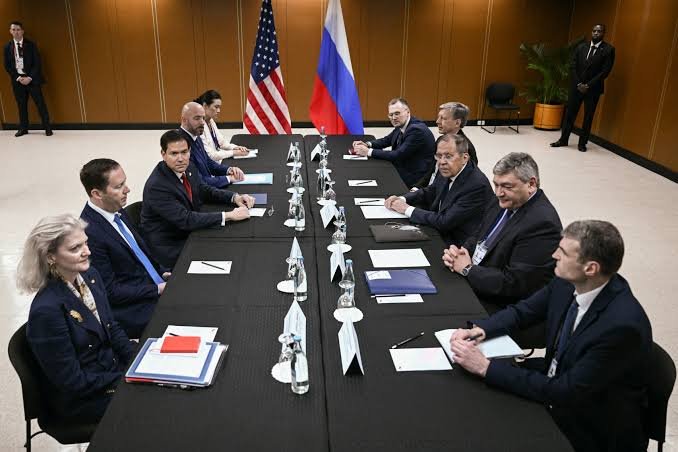
The diplomatic push follows talks in Abu Dhabi involving Russian, Ukrainian and American officials, followed by meetings between U.S. envoys Steve Witkoff and Jared Kushner and Russian President Vladimir Putin in Moscow. The envoys then met Ukrainian President Volodymyr Zelenskyy in Dublin. newsfeed.wtjx.org
In an official account of that meeting, Zelenskyy identified stronger European participation as an important outcome of the week’s diplomacy. He also pointed to preparations for further multilateral meetings and an anticipated prisoner exchange, which he said Ukraine expected to be the largest since the war began. president.gov.ua
Those developments suggest movement in the diplomatic process. They do not amount to a peace agreement or a comprehensive ceasefire.
For Ukraine’s European partners, representation carries practical consequences. Negotiations could produce commitments involving their governments, resources and security responsibilities. Participation would give them an opportunity to help shape those commitments before an agreement is presented for implementation.
Different visions of peace
One central disagreement concerns whether ending the fighting should precede a wider debate over Europe’s security arrangements.
Russia has sought a broader security framework before addressing the specifics of the war. European leaders have resisted allowing that discussion to displace the immediate task of securing a ceasefire. Territorial disagreements also remain unresolved. reuters.com
Kremlin spokesman Dmitry Peskov said Friday that European participation would depend on Moscow assessing whether European governments were genuinely prepared to contribute to peace. His comments indicated that Russia had not given unconditional approval to an expanded negotiating format. www.themoscowtimes.com
The distinction matters: Europe has agreed on how it wants to participate, while the terms of that participation remain contested.
European Council President António Costa outlined the bloc’s priorities in Dublin: reaching a ceasefire, restoring navigation in the Black Sea and creating the conditions for a peace agreement.
Costa also argued that Ukraine must remain free to choose its alliances and partnerships. He maintained that Europe already has a security framework grounded in sovereignty, territorial integrity and the peaceful settlement of disputes. Consilium
Security beyond Ukraine’s borders
The disagreement is about more than diplomatic procedure. It concerns whether negotiations will focus on ending Russia’s invasion or expand into bargaining over the rules governing relations across Europe.
In a November 10 statement following consultations in Abu Dhabi, European partners, Ukraine and the United States said future arrangements must respect sovereignty, territorial integrity and independent decision-making. They also reaffirmed NATO’s central role in collective defense. consilium.europa.eu
That statement shows that broader security discussions are already part of the diplomatic landscape. The unresolved issue is how to conduct them without weakening Ukraine’s position or treating European security as something others can determine on Europe’s behalf.
Meanwhile, the violence continues. Ukrainian regional officials reported deadly Russian strikes in Zaporizhzhia and Odesa on Friday, underscoring the distance between diplomatic activity and safety for civilians. reuters.com
Representation must lead to results
Europe’s negotiating team now faces two tests: maintaining a coherent position among its members and turning participation into influence over the substance of any settlement.
The next phase will reveal whether the parties can agree on a negotiating format, make progress toward stopping the fighting and develop security guarantees that Ukraine and its partners consider credible.
For Europe, securing a place in the room is a diplomatic step. The larger challenge is helping produce a peace that protects Ukraine’s sovereignty and can endure after the negotiations end.