 Staff Journalist
An email that will not send can seem like a minor inconvenience. When the same problem spreads across businesses and borders, it becomes a warning about how much of the economy depends on technology that individual companies cannot control.
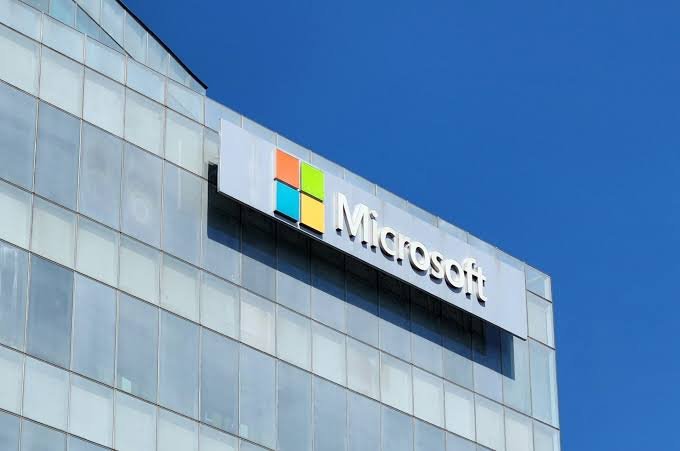
Microsoft’s global service disruption, which began Thursday, November 12, and continued into Friday, delivered that warning. The outage interrupted access to Outlook and functions across Microsoft 365, leaving organizations navigating a workday without some of their usual communication tools.
For American business owners, the incident raises a practical question: Could your company keep operating if the systems connecting employees, customers and suppliers suddenly became unavailable?
A technical failure with international consequences
In a Friday update, Microsoft linked the disruption to a problem introduced during an earlier network capacity upgrade that surfaced after a recent network change. The company said it had addressed the underlying issue and was seeing broad recovery, while continuing restoration for remaining customers and regions. It said the incident was unrelated to cyberattacks or AI agents and promised a full post-incident report.
The effects reached beyond corporate inboxes. Associated Press reported disruption to British courts, police reporting and government communications in several countries. Hong Kong aluminum business owner Danny Lau told AP that his company could not receive updates from American customers through Outlook, potentially threatening production timelines if the interruption continued.
That example illustrates the connection between a digital service and physical commerce. A stalled message can leave a supplier waiting for instructions or a customer waiting for confirmation. The computers may be overseas, but the business relationship can reach directly into the United States.
An American company postpones its earnings call
Workhorse Group offered a documented example of the domestic impact. The American industrial technology company postponed its third-quarter earnings release and conference call, citing business disruptions caused by the global Microsoft outage.
The call, originally scheduled for November 12, was moved to November 16 at 4:30 p.m. Eastern.
For a publicly traded company, communicating results is a scheduled commitment to investors. Workhorse’s announcement showed how disruption at a technology provider could force changes to another company’s business calendar.
The implications also matter for smaller firms. Consider a consultant awaiting a signed agreement or a contractor coordinating tomorrow’s deliveries. Those are potential consequences, rather than documented losses from this incident, but they explain why business continuity deserves attention beyond large corporate technology departments.
The convenience comes with shared risks
Combining email, calendars, collaboration and other tools within one provider’s ecosystem can simplify daily work. The risk is that apparently separate applications may depend on the same underlying service.
Microsoft’s incident notice illustrated that connection. Exchange Online disruptions affected email access and delivery, along with connected features in other applications. Most core Teams calls, meetings and messaging remained functional, while calendar-related functions were affected. Access to files stored directly in SharePoint also remained available.
Those distinctions matter. The disruption did not make every Microsoft product unusable for every customer. It demonstrated how a failure in shared infrastructure can reach across multiple workplace functions.
For business leaders, that creates a planning challenge: A second application may offer little protection if it relies on the same system as the first.
The backup plan needs to work
The immediate priority for affected companies is restoring reliable operations. The longer-term task is deciding which activities must continue during the next disruption and how employees will carry them out.
A practical review could begin with customer contact information, essential documents and an agreed alternative communication channel. Businesses should know whether staff can access those resources when their usual workplace platform is unavailable, while maintaining privacy and security requirements.
Testing matters. A backup plan stored only inside an inaccessible account cannot help employees who need instructions. Neither can an alternative channel that customers have never been told about.
Microsoft’s recovery will resolve the immediate service problem. The business question will remain: How much disruption can an organization absorb when a provider outside its control experiences a failure?
For companies of every size, the answer belongs in the operating plan before the next outage arrives.